Top Causes of Gutter Damage and How Repair Helps

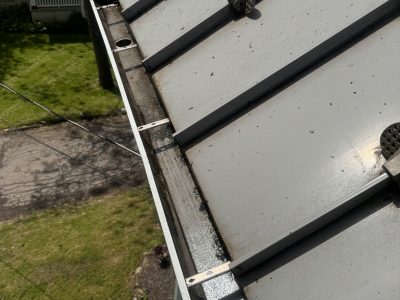
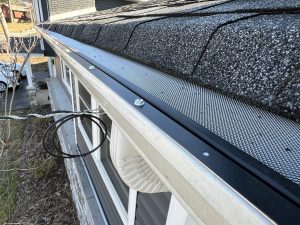
Gutters spend their whole service life doing work most homeowners barely notice. They catch thousands of gallons of rain each year, guide that water off the roofline, and move it away from siding, windows, foundations, walkways, and landscaping. When they fail, the damage often shows up somewhere else first. A stained fascia board, a soft patch near the foundation, paint that peels too early, or a basement that starts taking on water after a hard storm can all trace back to a gutter system that stopped doing its job.
That is what makes gutter problems deceptively expensive. The gutter itself may need a modest repair, but the water it misdirects can cause rot, mold, erosion, and structural wear that costs far more. In my experience, homeowners rarely call at the first sign of trouble. They call after hearing a strange drip behind the wall, after noticing mulch washed out of a flower bed for the third time, or after spotting a section of gutter sagging low enough to hold a puddle for days.
Understanding what causes gutter damage helps you catch issues earlier and make better repair decisions. Some problems come from weather, some from age, and some from installation shortcuts that take a few seasons to reveal themselves. The good news is that timely gutter repair often restores function before larger building components are affected.
Why gutter damage spreads fast
A gutter system is simple in concept, but it only works if every part does its part. The gutter has to stay aligned. The hangers have to stay secure. The seams have to remain watertight. The downspouts have to carry water away at a rate that matches the roof area feeding them. If one element slips out of tolerance, water starts taking the easiest path, which is usually over the front edge, behind the back edge, or through a weakened joint.
A small leak does not stay small for long. Water follows gravity, but it also follows surfaces. It can wick into wood trim, creep behind fascia, soak soffits, and saturate the soil right against the home. In freeze-thaw climates, that trapped moisture expands and contracts repeatedly, widening gaps and loosening fasteners. In warmer regions, constant dampness invites mildew, algae, and wood decay.
That is why gutter repair is rarely just cosmetic. Real repair protects adjacent materials from prolonged water exposure. It also gives a contractor a chance to diagnose why the failure happened in the first place, instead of simply patching symptoms.
Clogs from leaves, needles, and roof grit
The most common source of gutter damage is blockage. It sounds minor, but debris buildup changes how the entire system handles water. Leaves create dams. Pine needles knit together into dense mats. Granules shed from aging asphalt shingles settle into a heavy sludge that holds moisture and adds surprising weight.
When a gutter is clogged, water no longer flows cleanly toward the downspout. It ponds in place, often for days after a storm. Standing water accelerates corrosion in metal gutters, especially at seams and corners. It also adds load to the hangers. I have seen sections pull away from the fascia not because the metal failed, but because wet debris sat in the trough long enough to overwhelm the fasteners.
Clogs also create overflow patterns. If water repeatedly spills over the same edge, you often see a distinct stripe on the siding below. That overflow can trench soil, splash dirt onto brick or stucco, and stain exterior surfaces. In winter, clogged gutters are a prime setup for ice formation. Meltwater has nowhere to go, refreezes at the eaves, and turns a maintenance issue into a structural one.
Repair helps in two ways here. First, the gutter is cleaned and flushed so flow is restored. Second, damaged areas caused by the clog, loosened brackets, seam leaks, bent runs, rust spots, or detached downspouts, can be corrected before they progress. A proper repair visit should not end with debris removal alone if the overflow has already distorted the system.
Sagging caused by weight and poor support
Sagging is one of the easiest problems to spot from the ground. A healthy gutter line should look straight and intentional. When it dips between brackets or visibly tilts forward, support has been compromised.
Sometimes the cause is simple age. Fasteners loosen over time, especially in older fascia boards that have been repeatedly soaked. In other cases, the original installation did not include enough hangers for the span, or the hangers used were too light for local snow and ice loads. Add a season of clogged debris or a single ice event, and the weak points reveal themselves quickly.
Sagging matters because it throws off pitch. Gutters are not supposed to be perfectly level. They need a subtle slope toward the downspout so water drains instead of collecting. Even a slight belly in the run can create a trap where water stands continuously. That standing water accelerates corrosion in steel systems, shortens the life of sealants in sectional gutters, and gives mosquitoes an ideal breeding pocket in warm weather.
Gutter repair usually involves more than pushing the metal back into place. A lasting fix may require replacing hidden hangers, adding support where spans are too wide, re-securing the system into sound wood, and resetting pitch across the entire run. If fascia has rotted behind the gutter, that substrate has to be addressed too. Otherwise, the best new fastener in the world is still biting into weakened material.
Storm damage and falling limbs
High winds, hail, and tree impact can damage gutters in a single afternoon. Severe weather often leaves obvious dents or twisted sections, but not all storm damage is dramatic. A branch can brush the edge just hard enough to distort pitch. Wind can tug at a poorly secured downspout elbow until the joint separates. Hail may not puncture thicker metal gutters, but repeated impact can stress older seams and coatings.
Homes with mature trees nearby face a particular combination of risks. Limbs drop debris that causes clogs, then larger branches can physically bend the gutter body or tear it from the house. Even when the damage looks limited to one area, it is worth checking how far the force traveled through the system. A corner joint or downspout connection several feet away may have shifted without being obvious from the ground.
Repair after storm damage is most effective when done early. Bent metal tends to hold water in odd ways, and separated joints let runoff reach wood trim almost immediately. Quick gutter repair can often save the rest of the run from replacement by isolating the damaged section, realigning the pitch, and resealing affected joints before chronic leakage starts.
Rust, corrosion, and coating failure
Not all gutters rust, but all gutter materials age. Galvanized steel eventually loses its protective coating. Aluminum resists rust but can corrode in certain conditions and may pit over time. Even copper, which lasts a long time, can develop issues where different metals interact improperly. Material type matters, but so do local conditions. Coastal air, industrial pollutants, standing water, and debris left to decompose all speed up deterioration.
Corrosion usually starts small. You may first notice orange streaking near a seam, bubbling paint on older systems, or a pinhole leak that appears only during heavy rain. The temptation is to dismiss a tiny perforation as harmless. The problem is that small holes often indicate a broader pattern. Water has been sitting there. Protective finishes have already failed. Adjacent sections may be thinner than they look.
A good repair approach depends on the stage of damage. Early surface corrosion may be cleaned, treated, sealed, and recoated. Localized holes can sometimes be patched if the surrounding metal is still sound. Once corrosion becomes widespread, patching turns into a short-term measure. At that point, repair may still be useful as a stopgap to protect the home while planning replacement, but it should be described honestly.
One field clue I trust is how the metal feels under light pressure. Sound gutter material holds shape. Metal weakened by corrosion often feels soft or brittle around the damaged area, and that changes whether repair is sensible.
Seam failure and leaking joints
Sectional gutters are assembled from multiple pieces, which means they depend on seams, end caps, corners, and outlets remaining watertight. Over time, sealants dry out, shrink, or lose adhesion. Expansion and contraction from temperature changes stress these joints further. Water then begins to escape at precisely the points where volume and turbulence are often highest.
Leaks at seams are common because they can be subtle for a while. A homeowner may only see a drip in a moderate rain, not realizing that the back side of the joint has been dampening the fascia after every storm. Left alone, that moisture leads to wood deterioration behind the gutter, which weakens the mounting surface and creates a second problem layered over the first.
Repair here is often very effective. Old sealant can be removed, the joint cleaned and dried, fasteners corrected if needed, and a high-quality gutter sealant applied properly. If the seam has shifted or separated, sections may need to be rejoined or replaced. The key is surface preparation. A hurried bead smeared over dirty, wet material rarely lasts. Joint repair done correctly can add years of service life to an otherwise healthy system.
Improper slope and poor original installation
Some gutter issues begin on day one and simply take time to become visible. An improperly pitched gutter might look fine from the yard, but it will never drain completely. The same is true for gutters installed too low, too high, or with insufficient downspout capacity for the roof area they serve.
A gutter set too high beneath a steep roof can overshoot in heavy rain. One set too low https://cashvmyg421.greyhavendaily.com/posts/gutter-repair-for-seamless-gutters-what-you-need-to-know allows water to run behind it. Too little slope leaves standing water. Too much slope looks awkward and can reduce capture near the high end. I have also seen downspouts placed in locations that force long, inefficient runs, increasing the chance of clogging and overflow.
These problems often masquerade as maintenance issues. The owner cleans the gutters regularly, yet water still pours over the edge during hard rain. They assume more cleaning is needed when the real issue is geometry. That is why diagnosis matters. Gutter repair is not just about fixing damaged pieces. It is also about correcting alignment so the system functions as designed.
When an installer resets pitch, adds an additional downspout, or reworks a troublesome corner, the improvement is immediate. Water that used to pond now moves. Overflow stops. The gutter dries faster between storms, which slows future wear.
Ice dams and freeze-thaw stress
Cold climates create a special category of gutter damage. Ice dams often begin with roof heat loss, snow accumulation, and refreezing at the eaves, but gutters take much of the punishment. Ice is heavy, rigid, and persistent. It can pry gutters away from fascia, deform downspouts, and split seams that were already under stress.
Freeze-thaw cycling also affects trapped water inside partially clogged or poorly pitched gutters. Water expands as it freezes, widening tiny openings and loosening seals. A system that leaks a little in late fall can leak much more by the end of winter.
Repair can stabilize that damage, but it should be paired with prevention. If ice formed because the gutters held water, pitch correction and cleaning will help. If ice dams are tied to attic insulation or ventilation issues, those building conditions also need attention. Otherwise, the same damage pattern will repeat.
Damage from ladders, foot traffic, and routine work
Not all gutter damage comes from weather. People cause a fair amount of it. Leaning a ladder incorrectly against the front edge can bend aluminum surprisingly fast. Roofers, window cleaners, painters, and even homeowners hanging seasonal lights sometimes put weight where it does not belong. One awkward step near the edge of a low-slope roof can kink a gutter run enough to disrupt drainage.
This type of damage often looks local, but local damage changes water behavior. A small bend creates a low point. A crushed edge reduces capacity. A loosened bracket starts a progressive sag. Because the original cause may seem harmless, these issues are frequently ignored until a leak develops.
Targeted gutter repair works well here. The damaged segment can often be reshaped or replaced, supports reset, and alignment checked across the run. It is a reminder that gutters are functional drainage components, not trim pieces built to absorb abuse.
The signs that repair should not wait
Some gutter problems are obvious, but others show up indirectly. These are the warning signs that deserve prompt attention:
- Water spills over the gutter edge during ordinary rain, not just severe downpours.
- The gutter visibly sags, pulls away from the fascia, or holds standing water a day after rain.
- You see staining, peeling paint, or soft wood on fascia, soffit, or siding below the gutter line.
- Downspouts drip at joints, separate at elbows, or discharge too close to the foundation.
- There are rust spots, pinholes, seam leaks, or recurring ice buildup in the same section.
Waiting on these symptoms usually means paying for more than gutter work later. Exterior trim repairs, foundation drainage corrections, and landscape restoration are all more expensive than catching the drainage problem early.
How repair protects more than the gutter itself
The practical value of gutter repair is not limited to the metal or vinyl hanging from the roof edge. Restoring proper drainage protects multiple parts of the home at once.
First, it preserves the fascia and soffit. These components are vulnerable because they sit directly in the path of misdirected water. Once rot starts behind a leaking gutter, repairs become more invasive.
Second, it reduces basement and crawl space moisture risk. Not every wet basement comes from failed gutters, but poor roof drainage is one of the most common contributors. Redirecting water farther from the foundation can dramatically reduce saturation near the house.
Third, it protects finishes. Paint, stain, masonry joints, and siding all last longer when they are not repeatedly drenched by overflow. Homeowners often think they have a paint problem when they really have a water management problem.
Fourth, it helps preserve hardscaping and landscaping. Concentrated runoff can erode mulch, displace gravel, undermine pavers, and trench planting beds. Good drainage is quieter and less visible, which is exactly what you want.
Finally, timely repair extends system life. A gutter that is cleaned, realigned, resealed, and properly supported before damage compounds can often serve many more years than one left to fail in stages.
When repair is enough, and when replacement makes more sense
This is where judgment matters. Not every damaged gutter should be replaced, and not every repair is worth doing. If the issue is isolated, such as a leaking corner, a loose downspout, a short sagging section, or a few bad hangers, repair is usually the right call. The same goes for minor storm damage that has not compromised the rest of the system.
Replacement starts to make more sense when the problems are widespread. If there are multiple leaks, recurring clogs caused by poor layout, long sections of corrosion, rotted fascia behind several runs, or old gutters that have been patched repeatedly, pouring money into piecemeal fixes can cost more over time.
A good contractor should be able to say, plainly, whether a repair will likely hold for years or whether it is a short bridge to replacement. That honesty matters. Homeowners can plan around a known replacement timeline. What causes frustration is paying for a repair presented as durable when the underlying system is already at the end of its serviceable life.
Maintenance that reduces future damage
Repair works best when it is followed by sensible upkeep. A little attention once or twice a year prevents many common failures.
- Clean debris from gutters and downspouts on a schedule that matches the trees around your home.
- Check for standing water after rain, which usually signals a pitch issue or partial blockage.
- Look for loose fasteners, separated joints, and discharge points that dump water too close to the house.
- Trim back branches that drop heavy debris or threaten impact during storms.
- Use ladders carefully, or hire out the work if safe access is a concern.
Homes under pine trees often need more frequent cleaning than homes in open lots. Older roofs that shed granules also fill gutters faster. There is no one schedule that fits every house, which is why observation matters more than generic advice.
What homeowners often miss during inspection
Most people look at gutters from the front yard, which is understandable, but it misses the back edge where some of the worst damage starts. Water running behind the gutter may leave little evidence on the outer face while quietly soaking the fascia. The same is true for downspout outlets. A downspout can look connected and still leak at a rear seam every time a heavy flow hits it.
One easy habit is to step outside during a steady rain, not a violent storm, just a normal soaking rain. Watch how the system behaves. Does water move briskly to the downspout? Does any section drip from a seam? Does water overshoot near a valley or pour over a low spot? Real-time observation tells you more in five minutes than a quick visual check on a dry day.
Another clue is what happens on the ground. If one bed is always washed out, one corner stays muddy, or one walkway gets slippery algae while others do not, drainage is likely uneven above.
Why timely gutter repair pays off
The real benefit of gutter repair is control. Water is relentless, but it is also predictable when the drainage system is working. It falls on the roof, enters the gutter, moves to the downspout, and exits far enough from the house to do no harm. When that chain breaks, the costs begin spreading outward.
Repair restores that control. It reestablishes slope, seals leaks, strengthens support, and directs runoff where it belongs. It can stop a stain from becoming rot, a drip from becoming mold, and a splash zone from becoming foundation trouble. For a component that receives so little attention, gutters have an outsized role in protecting the whole house.
That is why even modest signs of trouble deserve a serious look. A well-timed repair is not just maintenance. It is prevention with very tangible returns.
Just Gutters LLC
262 Main St
Hackettstown, NJ 07840, United States
Phone: +1 201-331-9454
FAQ About Gutter Repair
Is it cheaper to repair or replace gutters?
Repair can cost less when damage is limited and the remaining system is sound. Replacement may offer better value when leaks, corrosion, or repeated failures affect several sections. An inspection and written estimate can help compare the options.
Can damaged gutters be repaired?
Many localized problems, including leaking joints, loose brackets, sagging sections, and damaged downspout connections, can be repaired. The best approach depends on the material, extent of damage, and condition of the mounting surface.
Can I repair gutters myself?
Simple ground-level checks may help identify a problem, but roof-edge work carries fall risks and may require specialized tools. Professional assessment is advisable for high gutters, loose sections, hidden wood damage, or uncertain drainage problems.